
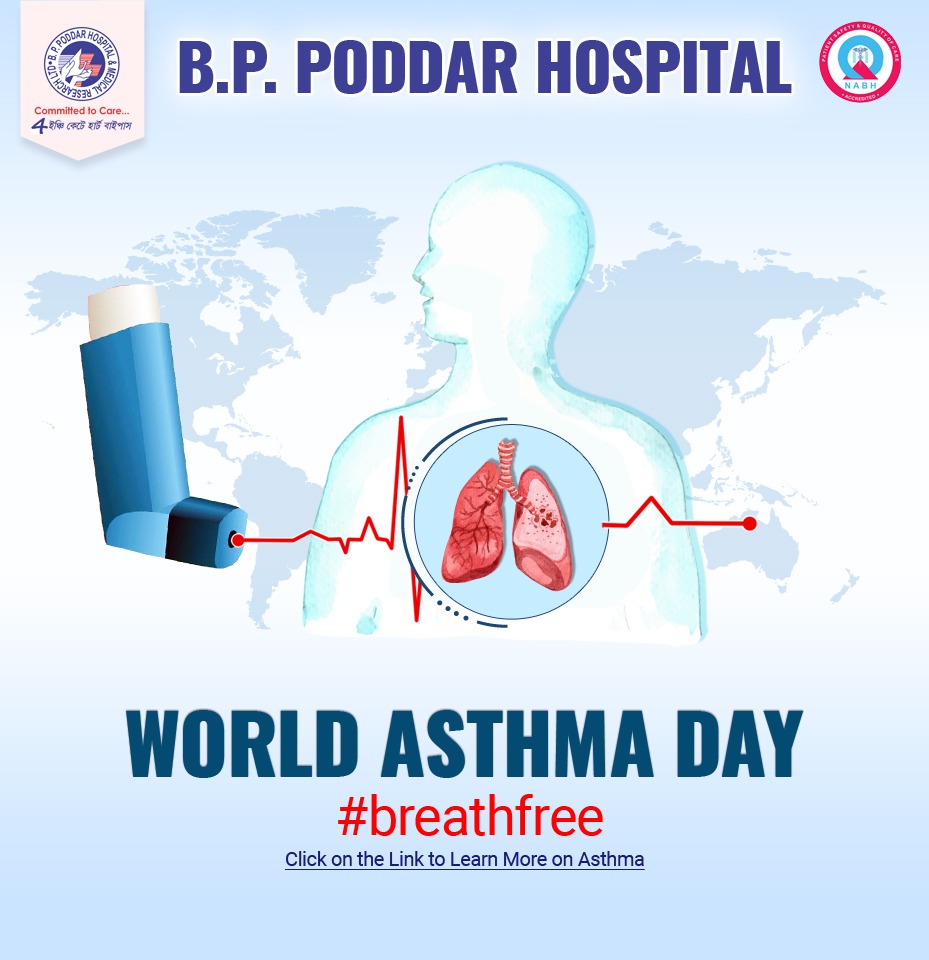
Asthma (also called Bronchial Asthma) is a long-term condition in which the air passages in the lungs become narrow due to inflammation and tightening of the muscles around the small airways. It makes breathing difficult and can make some physical activities challenging or even impossible.
Causes- It is caused by a variety of factors such as:
(i) Extreme weather conditions like air pollution, environmental irritants, allergens etc.
(ii) Respiratory infections, people exposed to tobacco smoke, strong chemicals.
(iii) People with a family history of Asthma or other allergic diseases have a high risk of developing asthma.
(iv) Exercise
(v) Certain medications like Non-Steroidal Anti-Inflammatory Drugs (NSAIDs), aspirin etc.
Types of Asthma-
- Exercise-induced asthma: It is triggered by exercise and is also called exercise-induced bronchospasm.
- Occupational asthma: This type of asthma happens to people who work around irritating substances.
- Asthma-COPD overlap syndrome (ACOS): This type happens when a person has both asthma and chronic obstructive pulmonary disease (COPD). Both diseases make it difficult to breathe.
Symptoms-
The most common symptom is wheezing. There is a whistling sound that occurs when a person breathes. Other asthma symptoms include:
- coughing, especially at night, when laughing, or during exercise
- tightness in the chest
- shortness of breath
- difficulty talking
- anxiousness or panic
- fatigue
- chest pain
- rapid breathing
- frequent infections
- trouble sleeping
Diagnosis and Treatment-
- Bronchodilators: These medicines relax the muscles around the airways which helps to move the air and let mucus move more easily through the airways. Used for intermittent and chronic asthma which help to relieve the symptoms.
- Anti-inflammatory medicines: These medicines reduce swelling and mucus production in the airways. They make it easier for air to enter and exit your lungs. Mainly used for chronic asthma.
- Biologic therapies for asthma: These are used for severe asthma when symptoms persist despite proper inhaler therapy.
- Medicines: metered-dose inhalers, nebulizers etc.
Prevention and Control-
- Wear masks while going outside especially in crowds, polluted places.
- Prevent exposure to allergens such as dust, pollens, molds, pets etc.
- Maintaining a healthy lifestyle- nutrient rich diet, regular exercise, maintaining a healthy BMI as asthma tends to worse in obese people.
- Management of stress
- By quitting smoking as smoking triggers Asthma and increases the risk of COPD.
- Take preventive medicines in case of emergency.