


Medical Oncology
- 1Specialist doctor
- 6/7OPD days a week
- 24×7Emergency care
- 36+TPA & insurance partners
About the department
Overview
Our Medical Oncology services offer comprehensive, evidence-based systemic cancer treatment delivered in a safe, compassionate and technologically advanced environment. With both day-care infusion facilities and inpatient services, we ensure patients receive personalised therapy with continuous monitoring and supportive care. Each treatment plan is designed after multidisciplinary tumour board discussion and guided by the latest research, molecular diagnostics and international protocols.
Meet the team
1 doctor in Medical oncology
OPD days and times come straight from the hospital’s schedule.
Weekly OPD timetable
| Doctor | Mon | Tue | Wed | Thu | Fri | Sat | Sun |
|---|---|---|---|---|---|---|---|
| Dr Prashant Pandey | 10:30 am – 12:30 pm | 10:30 am – 12:30 pm | 10:30 am – 12:30 pm | 10:30 am – 12:30 pm | 10:30 am – 12:30 pm | 10:30 am – 12:30 pm | – |
Good to know
Frequently asked questions
Chemotherapy (Conventional & Metronomic)
We administer a wide range of chemotherapy regimens tailored to the specific type and stage of cancer.
- Conventional chemotherapy targets rapidly dividing cancer cells and is delivered in treatment cycles.
- Metronomic chemotherapy uses lower, more frequent dosing to minimise side effects and inhibit tumour blood vessel growth.
Our day-care unit allows most patients to return home the same day, ensuring comfort and convenience.
Immunotherapy (Checkpoint Inhibitors, Monoclonal Antibodies)
Immunotherapy helps the body’s own immune system recognise and destroy cancer cells.
- Checkpoint inhibitors (such as PD-1/PD-L1 and CTLA-4 blockers) re-activate immune cells to fight cancer.
- Monoclonal antibodies specifically target proteins on cancer cells for more precise treatment.
These therapies have revolutionised care in cancers like lung, kidney, melanoma, head & neck and several others.
Targeted Therapy (TKIs, mTOR Inhibitors and More)
Targeted therapies work by blocking specific genes and pathways that drive cancer growth.
- TKIs (Tyrosine Kinase Inhibitors)
- mTOR inhibitors
- Other molecularly targeted drugs
These treatments are often oral, well-tolerated and highly effective in cases with identifiable genetic mutations (EGFR, ALK, HER2, BRAF, etc.). Regular monitoring ensures optimal dosing and safety.
Hormone Therapy
Hormonal treatments are essential for hormone-dependent cancers such as breast and prostate cancer.
They function by blocking hormone production or preventing hormones from stimulating cancer growth.
These can be taken orally or through injections and are commonly used across early, advanced and metastatic stages.
High-Dose Chemotherapy Protocols
Certain cancers require intensified chemotherapy regimens for better outcomes.
High-dose protocols are delivered with strict monitoring, supportive medications and access to critical care if needed.
These protocols aim to maximise tumour kill while safeguarding the patient through advanced supportive strategies.
Biological & Molecular Therapy
Biological agents, including newer monoclonal antibodies, fusion proteins and anti-angiogenic drugs, directly influence tumour biology and the tumour microenvironment.
These therapies may be used alone or in combination with chemotherapy to enhance effectiveness and prolong survival.
Supportive Care (Antiemetics, Growth Factors, Transfusion Medicine)
Supportive care forms the backbone of safe cancer treatment.
Our unit provides:
- Antiemetics to prevent nausea and vomiting
- Growth factors (G-CSF / GM-CSF) to support white cell recovery
- Blood and platelet transfusions
- Electrolyte and fluid management
- Pain and symptom management
This ensures treatments continue smoothly with minimal interruptions or complications.
Personalised Treatment Based on Genetic & Molecular Markers
Every cancer behaves differently, and our approach reflects this individuality.
Treatment decisions are guided by:
- Molecular profiling
- Genetic mutations
- Receptor status
- Immunohistochemistry (IHC) results
- PET/CT and functional imaging
This precision-driven strategy allows us to choose the therapy with the highest likelihood of success and the lowest risk of toxicity.
Before you come
Plan your visit
- Choose a doctorPick a specialist above, or call us and we’ll suggest one for your symptoms.
- Book a timeBook online in a minute, or call +91 85850 35846.
- Bring your papersEarlier reports, prescriptions, a photo ID and your insurance or TPA card.
- Arrive a little earlyCome 15 minutes before your time to register at the front desk.
Health blog
Read more about medical oncology
 Raising Awareness on World Scoliosis Day at B. P. Poddar Hospital & Medical Research Limited
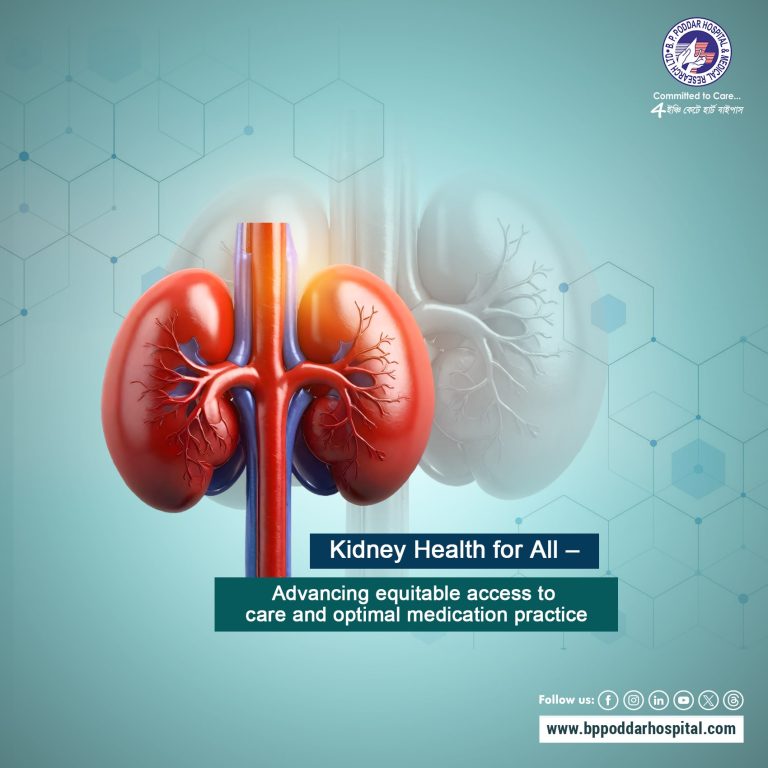 World Kidney Cancer Day: Raising Awareness and Promoting Health at B. P. Poddar Hospital & Medical Research Limited
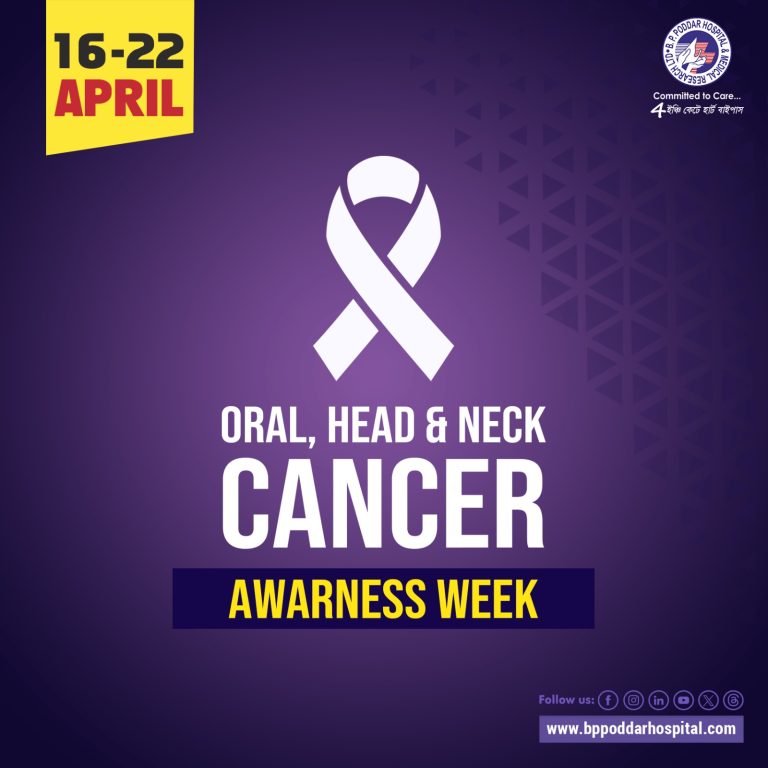 Shining a Light on Oral, Head & Neck Cancer Awareness Week at B. P. Poddar Hospital & Medical Research Limited
Other specialities
General medicinePaediatricsGeneral and laparoscopic surgeryCardiologyInterventional cardiologyChildren’s heart careCardiothoracic surgeryOrthopaedicsGynaecology and obstetricsENTUrologyGastroenterologyPulmonologyEndocrinology and diabetesNeurologyNeurosurgeryNephrologyDermatologyHaematologySurgical oncologyPlastic surgeryPsychologyPsychiatryPhysical medicine and rehabilitationDentalOral and maxillofacial surgeryOphthalmologyAnaesthesia check (PAC)Head and neck cancer surgerySpine surgery
Talk to us
Not sure where to start?
Send us your question and reports. A care coordinator will call you back and book the right specialist.
- Fill the form
- We review your reports
- We call you back