

Is Chewing Gum Actually Plastic?
Chewing gum seems innocent enough, but did you know that synthetic plastics are the primary ingredients used to make most gums? The “gum base” used in many of them contains items such as polyethylene, polyvinyl acetate, and butyl rubber—materials that won’t degrade and aren’t biodegradable. So by chewing gum, we’re not only getting our fill of the taste—we’re ingesting plastic without even knowing it.
The Study: Microplastics in Your Saliva
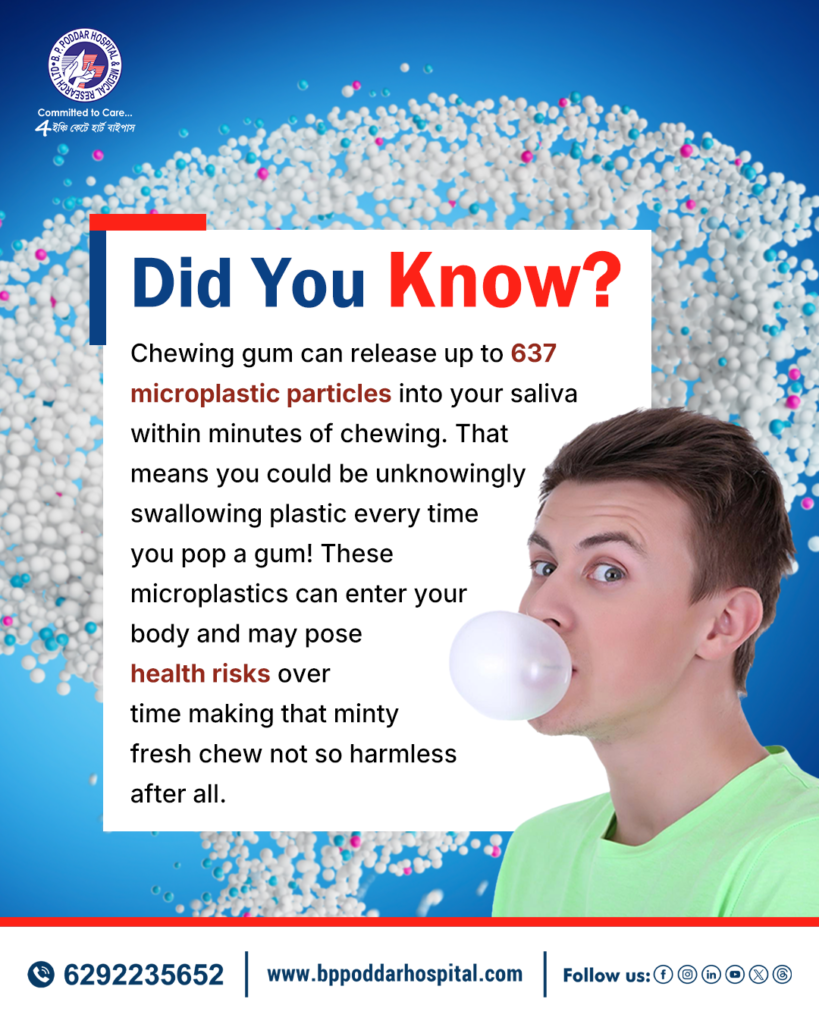
Recently a pilot study proved surprising and frightening information: the chewed gum is able to discharge microplastic particles in saliva. When chewing, according to researchers’ finding, about an average of 100 particles per gram is emitted from gum with up to 637 from the most heavily polluted samples. Mostly these microplastics escape after a couple of minutes or at most remain inside the mouth as well as can be swallowed.
This pioneering study is among the first to actually quantify microplastics entering the human body via chewing gum—a casual activity we all do daily.
Health & Environmental Risks
Microplastics have already been associated with possible health issues like hormonal imbalance, inflammation, and cell damage. Although further studies are necessary to fully realize the long-term implications of chewing gum-based microplastics, the fact that we might be consuming plastic on a regular basis should not be dismissed.
Environmentally, the effect is even more apparent. More than 1.74 trillion pieces of chewing gum are manufactured worldwide annually, many of which become street litter and sidewalk trash. These used gums ultimately disintegrate into microplastics, which cause widespread pollution.
The Way Forward: Eco-Friendly Gum Alternatives
There is good news too—some brands have now created plastic-free chewing gum made from natural ingredients such as chicle, a tree sap. They are biodegradable and far healthier for our bodies and the planet.
We can do our part as consumers by:
- Reading labels on chewing gum products before we buy
- Selecting brands that employ natural gum base
- Helping companies that are honest about what they put in their products
Final Thoughts
Chewing gum may appear to be a little habit, but this new study reveals it can have surprising effects on our health and the planet. Since we’re becoming increasingly aware of the secret microplastics in the things we use, it’s time to reconsider what we put in our mouths—beginning with gum.