Cholecystectomy is the surgical removal of the gallbladder, a small organ located beneath the liver. This procedure is commonly performed to treat gallstones, which can cause pain, infection, or other complications. It can be done using traditional open surgery or minimally invasive laparoscopic techniques, with the latter offering quicker recovery times and less postoperative pain.
2. Appendectomy
Appendectomy is the surgical removal of the appendix, a small, tube-shaped pouch attached to the large intestine. This procedure is usually performed as an emergency surgery to treat appendicitis, which is the inflammation of the appendix. It can be done through open surgery or laparoscopically, with the laparoscopic method typically resulting in a faster recovery and smaller scars.
3. Hernioplasty
Hernioplasty, also known as hernia repair surgery, involves the correction of hernias, which occur when an organ or tissue protrudes through a weak spot in the abdominal muscles. The surgery can be performed using open or laparoscopic techniques and often involves reinforcing the weakened area with a mesh to prevent recurrence.
4. Laser Hemorrhoidectomy
Laser hemorrhoidectomy is a minimally invasive procedure using a diode laser to treat hemorrhoids. It reduces pain, bleeding, and recovery time by precisely targeting and shrinking hemorrhoidal tissue. This technique allows for faster healing and often enables patients to return home the same day.
5. Laser Fissurectomy
Laser fissurectomy is a minimally invasive procedure using a diode laser to treat anal fissures. The laser precisely removes the damaged tissue, promoting faster healing with minimal pain and bleeding. This technique reduces recovery time and often allows patients to resume normal activities quickly.
6. Laser Fistulotomy
Laser fistulotomy is a minimally invasive procedure using a diode laser to treat anal fistulas. The laser precisely removes the fistula tract, promoting healing with minimal pain and bleeding. This technique offers faster recovery and reduces the risk of complications, allowing patients to return to normal activities sooner.
1 service
Latest Generation Operation Theaters
NABH Protocols
The hospital features three state-of-the-art operation theaters designed to meet NABH (National Accreditation Board for Hospitals & Healthcare Providers) protocols. These theaters ensure the highest standards of safety, sterility, and efficiency, providing a safe environment for surgical procedures.
3 services
Pioneering Laparoscopic Surgery
Karl Storz 4K Laparoscope
The hospital uses the latest generation Karl Storz 4K laparoscope, which offers several advanced features:
Lesser Port Size: Smaller incisions lead to minimal bleeding and faster recovery times, enhancing patient comfort and reducing hospital stays.
4K Resolution Rendering: High-definition imaging provides true-to-life visuals, allowing surgeons to perform precise and accurate procedures.
ICG-Enhanced, Fluorescence-Guided 3D Spatial Visualization: This advanced technology uses indocyanine green (ICG) dye to enhance visualization of tissues and blood flow, providing detailed 3D spatial views that improve surgical accuracy and outcomes.
Next Day Discharge
For procedures like cholecystectomy, appendectomy, and many others, the advanced laparoscopic techniques allow for faster recovery, enabling next-day discharge for many patients. This reduces hospital stays and speeds up the return to normal activities.
Day Care Procedures for Hemorrhoids
The hospital offers day care procedures for hemorrhoids (piles) treatment using the latest diode laser technology. This minimally invasive technique reduces pain and recovery time, allowing patients to return home the same day.
3 services
3-Pronged Infection Control
Stainless Steel Operation Theater
Stainless steel operation theaters provide a sterile environment crucial for preventing infections. The material’s durability and ease of cleaning help maintain high hygiene standards, essential for surgical success and patient safety.
Laminar Airflow with HEPA Filter
Laminar airflow systems with HEPA filters ensure a continuous flow of clean, filtered air in the operating room. This setup reduces the risk of airborne contaminants, maintaining a sterile environment and minimizing the risk of surgical site infections.
Central Sterile Services Department (CSSD)
The CSSD is responsible for sterilizing and disinfecting surgical instruments and equipment, preventing nosocomial infections. This department ensures that all medical tools meet the highest standards of cleanliness and sterility, crucial for patient safety and successful surgical outcomes.
Meet the team
12 doctors in General and laparoscopic surgery
OPD days and times come straight from the hospital’s schedule.
We perform appendectomy, hernia repair, gallbladder removal, and other minimally invasive procedures.
What are the benefits of laparoscopic surgery?
Laparoscopic surgery offers smaller incisions, less pain, faster recovery, and minimal scarring. We are offering 4K Laparoscopy which ensures superlative resolution along with many other benefits that enhances precision and accuracy.
How do I prepare for surgery?
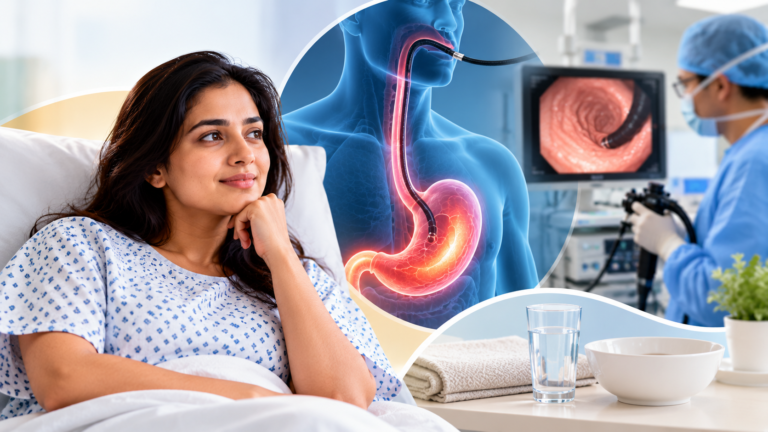
Pre-surgery preparation includes fasting, stopping certain medications, and undergoing necessary tests.
How long does recovery take after general surgery?
Recovery time varies but is usually faster with laparoscopic procedures compared to open surgery.
Do you perform emergency surgeries?
Yes, we provide 24/7 emergency surgical services for conditions like appendicitis and trauma or any other medical emergencies.
Before you come
Plan your visit
Choose a doctorPick a specialist above, or call us and we’ll suggest one for your symptoms.
Book a timeBook online in a minute, or call +91 85850 35846.
Bring your papersEarlier reports, prescriptions, a photo ID and your insurance or TPA card.
Arrive a little earlyCome 15 minutes before your time to register at the front desk.