

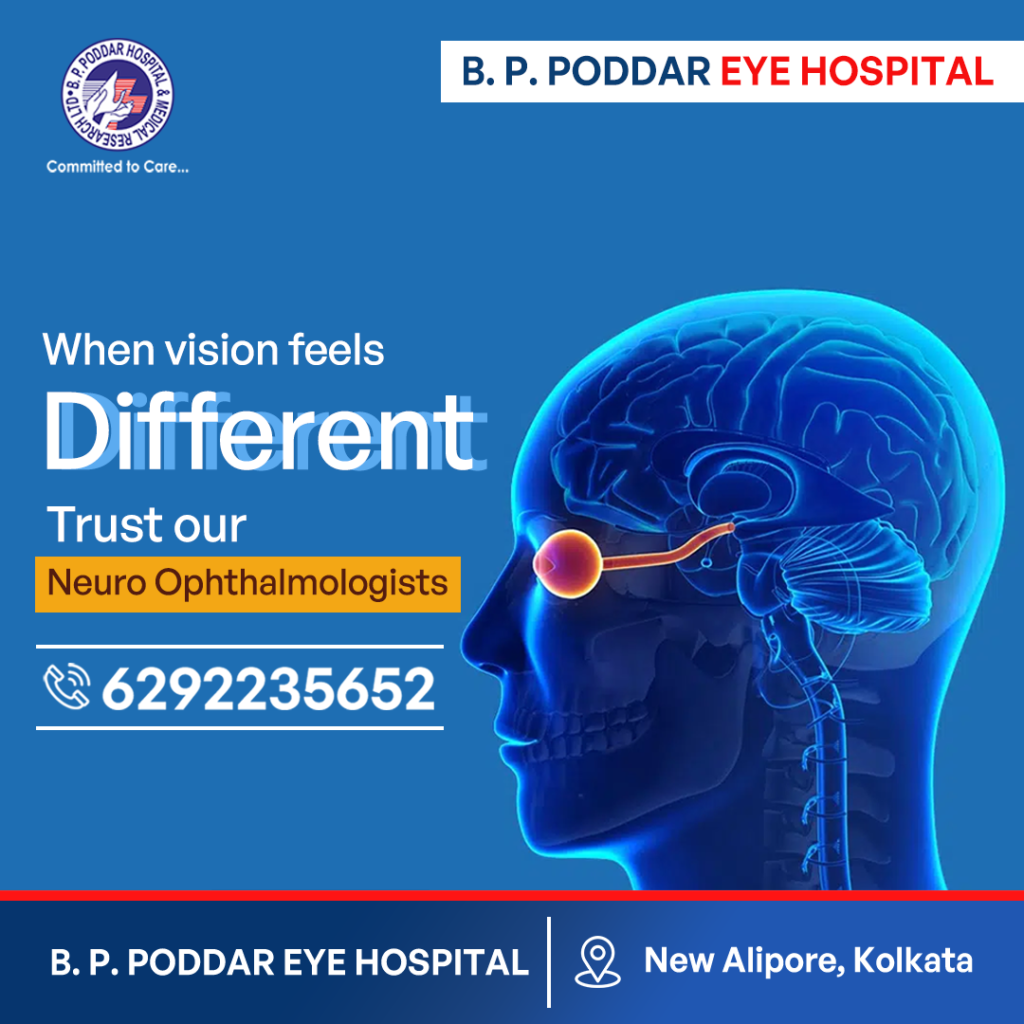
Vision is not only related to the eyes but also involves a complex system of nerves and pathways in the brain. Problems related to this system can cause sudden or progressive vision loss and may be an indication of serious neurological problems. Neuro-ophthalmology is a branch of medicine that deals with the diagnosis and treatment of vision problems associated with the nervous system.
What Is Neuro-Ophthalmology?
Neuro-ophthalmology is a subspecialty of ophthalmology that focuses on visual disturbances resulting from problems involving the optic nerve, brain, and central nervous system. Neuro-ophthalmologists are trained to find the underlying neurological cause of visual disturbances, eye movement abnormalities, and visual field defects. They often work together with neurologists and neurosurgeons.
Conditions Treated in Neuro-Ophthalmology
Neuro-ophthalmology addresses a wide range of complex conditions, including:
- Optic Neuritis
- Optic Neuropathy
- Papilledema (optic disc swelling)
- Double Vision (Diplopia)
- Visual Field Defects
- Cranial Nerve Palsies
- Brain Tumors affecting vision
- Stroke-related vision loss
- Headache-related visual disturbances
Early diagnosis is crucial for protecting vision and identifying underlying neurological diseases.
Symptoms That Require Neuro-Ophthalmic Evaluation
You should consult a neuro-ophthalmologist if you experience:
- Sudden or unexplained vision loss
- Persistent double vision
- Loss of side vision or visual field defects
- Drooping eyelids with vision problems
- Eye movement abnormalities
- Visual changes associated with headaches or neurological symptoms
Prompt evaluation can help prevent permanent vision damage and detect serious health conditions early.
Diagnostic Approach in Neuro-Ophthalmology
Neuro-ophthalmic evaluation involves a detailed and systematic approach, including:
- Comprehensive eye examination
- Visual field testing
- Optic nerve and retinal imaging
- Neurological assessment
- Coordination with imaging studies such as MRI or CT scans
This integrated approach ensures accurate diagnosis and targeted treatment.
Treatment in Neuro-Ophthalmology
Treatment depends on the underlying cause and may include:
- Medical management with medications
- Monitoring and follow-up for stable conditions
- Coordination with neurology or neurosurgery teams
- Vision rehabilitation and supportive care
The goal is to manage the condition effectively while preserving and improving visual function.
Why Choose Our Hospital for Neuro-Ophthalmology Care?
Our hospital provides comprehensive free consultation and neuro-ophthalmology services with a focus on accuracy, collaboration, and patient care:
- Experienced neuro-ophthalmology specialists
- Advanced diagnostic and imaging facilities
- Multidisciplinary approach with neurology experts
- Personalized treatment plans
- Compassionate, patient-centered care
We ensure timely diagnosis and coordinated care for complex vision and neurological disorders.
When Should You Seek Immediate Medical Attention?
- Sudden vision loss in one or both eyes
- Severe headache with visual changes
- Sudden onset of double vision
- Vision problems with weakness or numbness
Comprehensive Neuro-Ophthalmology Care You Can Trust
Neuro-ophthalmology plays a vital role in identifying serious neurological conditions through visual symptoms. With expert evaluation and advanced care, many neuro-ophthalmic disorders can be managed effectively.
Schedule a free consultation today for accurate diagnosis and expert vision care.
Contact B. P. Poddar Eye Hospital for the booking.