At B.P. Poddar Hospital, our Gastroenterology Department is dedicated to providing comprehensive care for patients with digestive and liver disorders. Our team of experienced gastroenterologists, nurses, and support staff is committed to delivering high-quality medical care with compassion and expertise. We offer a wide range of diagnostic and therapeutic services, utilizing state-of-the-art technology and the latest advancements in the field of gastroenterology.
Our department specializes in the diagnosis and treatment of conditions affecting the gastrointestinal tract, liver, pancreas, and biliary system. From common issues such as acid reflux and irritable bowel syndrome to complex diseases like inflammatory bowel disease and liver cirrhosis, we provide personalized care tailored to each patient’s needs.
7 services
What we offer
Olympus 190 Series Gastroscope, Colonoscope & ERCP
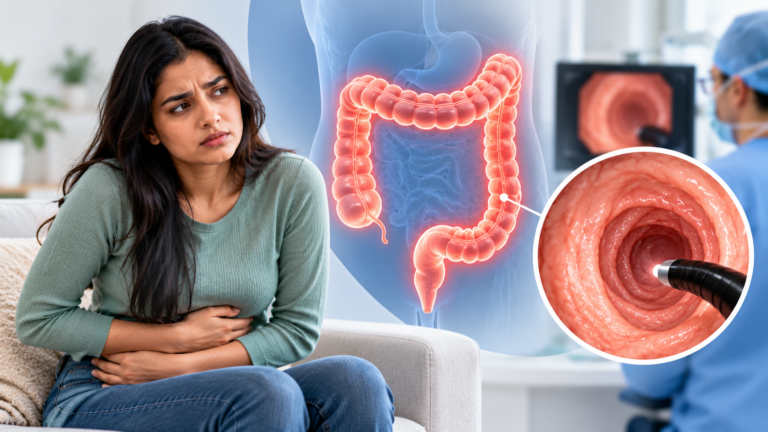
Olympus 190 Series Endoscope and Colonoscope: These are advanced instruments used to examine the upper and lower gastrointestinal tract, respectively. They provide high-resolution images for accurate diagnosis.
ERCP kit: This equipment is used for endoscopic retrograde cholangiopancreatography, a diagnostic and therapeutic procedure for the biliary and pancreatic systems.
Narrow-band imaging (NBI): This technology enhances the visualization of mucosal structures, enabling earlier detection of abnormalities like cancer or precancerous lesions.
Endoscopic Ultrasound: US-FDA Approved Endoscopic Procedure for FNAC
Endoscopic ultrasound (EUS) combines endoscopy with ultrasound imaging. It is highly effective in diagnosing gallbladder, bile duct, and pancreatic diseases. EUS also allows for fine-needle aspiration (FNAC) under ultrasound guidance to obtain tissue samples for diagnosis.
Capsule Endoscopy
Capsule endoscopy involves swallowing a small camera-equipped capsule to examine the small intestine. It is a non-invasive alternative to traditional endoscopy, providing a wide view of the intestinal tract.
Transient Elastography
Transient elastography (Fibroscan) is a non-invasive method to measure liver stiffness, which is a marker of liver fibrosis. It is more accurate than traditional ultrasound (USG) in assessing liver damage caused by fatty liver disease.
Esophageal Manometry and 24-hour pH Impedance Test
Esophageal manometry: This test measures the pressure in the esophagus to diagnose swallowing disorders like achalasia.
24-hour pH impedance test: This test monitors acid reflux and esophageal acid exposure over a 24-hour period to diagnose GERD.
Hydrogen Breath Test
A hydrogen breath test measures the amount of hydrogen in exhaled breath. It is used to diagnose small intestinal bacterial overgrowth (SIBO) and lactose intolerance.
3rd Space Endoscopy
Third-space endoscopy refers to advanced endoscopic techniques that treat conditions traditionally requiring surgery. These procedures include:
POEM (Peroral endoscopic myotomy): Treats achalasia by cutting the muscle layer of the esophagus.
EMR (Endoscopic mucosal resection): Removes superficial lesions from the gastrointestinal tract.
By offering a comprehensive range of diagnostic and therapeutic procedures, this gastroenterology department demonstrates a commitment to providing state-of-the-art care for patients with digestive disorders.
Real experiences
Patient stories
Good to know
Frequently asked questions
What conditions are treated in the Gastroenterology Department?
We manage conditions such as acid reflux, peptic ulcers, irritable bowel syndrome (IBS), inflammatory bowel disease (IBD), liver disorders, and pancreatic diseases.
What diagnostic equipment do you use in your Gastroenterology Department?
Our department is equipped with cutting-edge tools such as the 190 series Gastroscope, Colonoscope, and ERCP with narrow band imaging for the earliest detection of gastrointestinal issues. We also use Endoscopic Ultrasound, Cholangioscope, Capsule Endoscopy, Fibroscan, Esophageal Manometry, 24-hour pH Impedance, and Hydrogen Breath Test for accurate diagnosis and effective treatment planning.
What are the benefits of narrow band imaging in endoscopy?
Narrow band imaging enhances visualization of mucosal structures, helping in the early detection of conditions like cancer, polyps, and inflammation, thus improving treatment outcomes.
What is Capsule Endoscopy, and when is it required?
Capsule Endoscopy involves swallowing a small, pill-sized camera that captures detailed images of your digestive tract. It is commonly used to detect bleeding, tumors, and small bowel diseases that traditional endoscopy may not identify.
How is Fibroscan useful in liver diagnosis?
Fibroscan is a non-invasive test that evaluates liver stiffness and fat content, aiding in the diagnosis and management of conditions like fatty liver, cirrhosis, and hepatitis.
What precautions should I take before an endoscopic procedure?
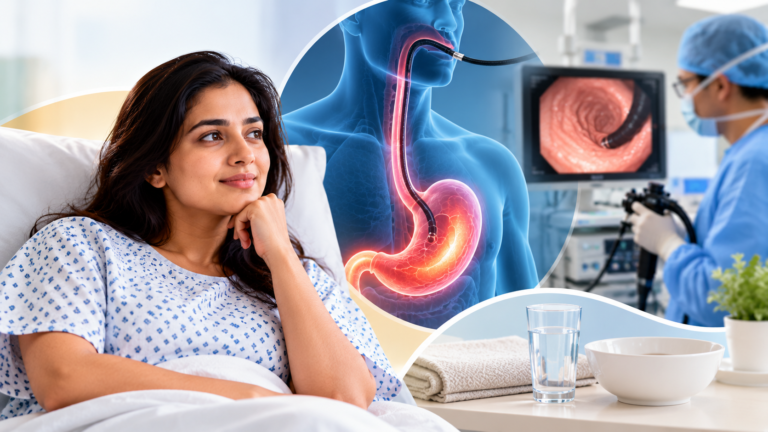
Patients are usually advised to fast for several hours before the procedure. Detailed instructions regarding medications and dietary restrictions will be provided based on the type of procedure being conducted.